Two films play at this year’s International Film Festival Rotterdam that will make you yearn to a visit to an island. Any island…
Read MoreA still from ‘Liborio’ by Nino Martínez Sosa
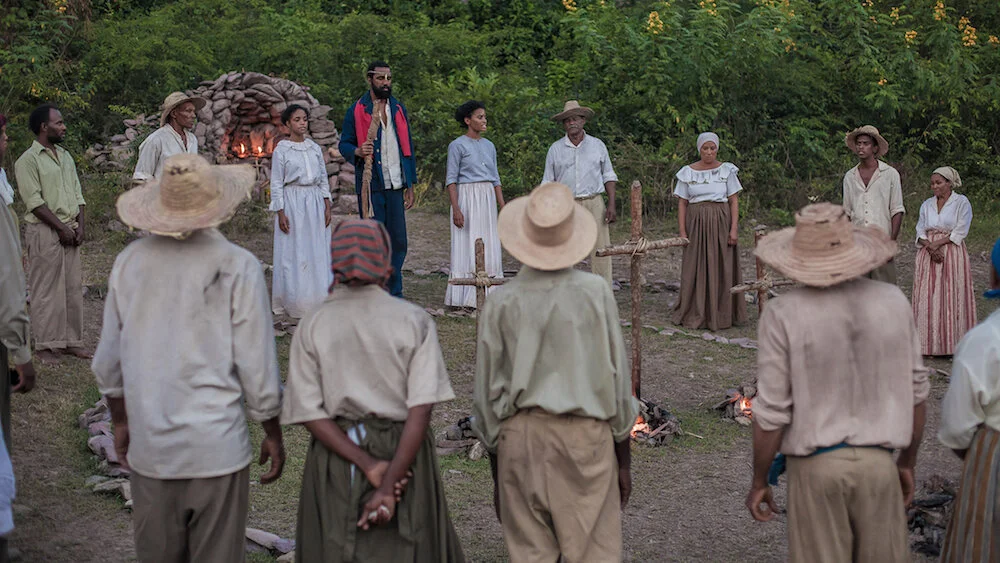
A still from ‘Liborio’ by Nino Martínez Sosa
Two films play at this year’s International Film Festival Rotterdam that will make you yearn to a visit to an island. Any island…
Read More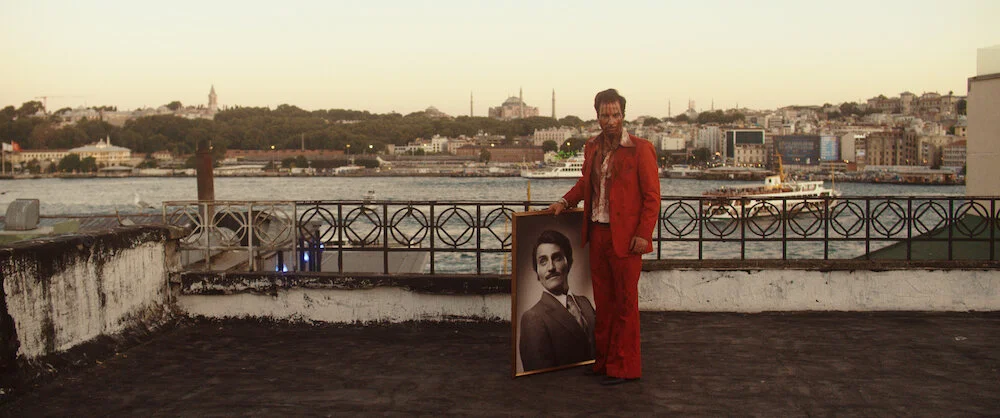
In ‘The Cemil Show’ the film’s namesake leading character, played to perfection by Ozan Celik whom you may remember from ‘Sivas’ in 2015, is someone much like my friend and me — bad at acting, but still desperate to make it.
Read More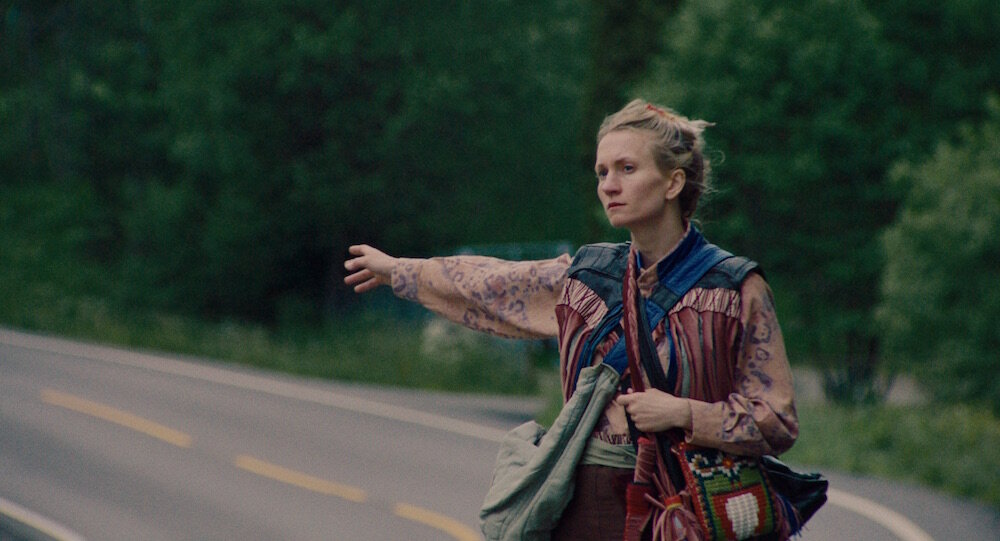
Birgitte Larsen in a still from ‘Gritt’ the debut feature by Itonje Søimer Guttormsen
In her debut feature ‘Gritt’ filmmaker Itonje Søimer Guttormsen, with the help of leading actress Birgitte Larsen, makes Gritt the perfect anti-heroine we will all aspire to be, once we’ve watched her quiet masterpiece.
Read More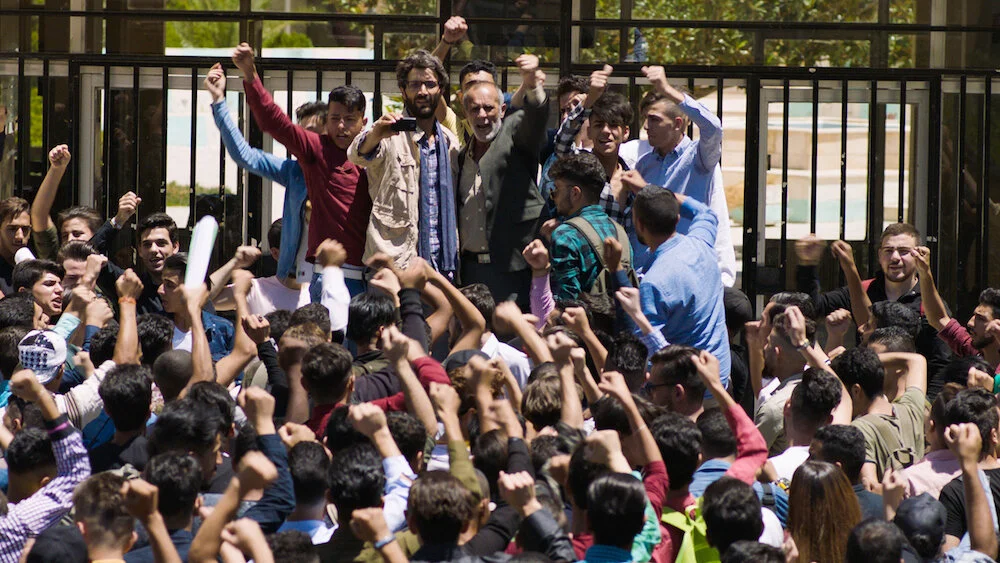
A still from ‘The Translator’ directed by Anas Khalaf and Rana Kazkaz
While there have been loads of documentaries about Syria and its place in the Arab Spring revolutions of 2011, no narrative film has even come close to the way ‘The Translator’ tells the story. A complete story that goes as far back as the first Syrian revolts in 1980 under Bashar al-Assad’s father, Hafez which resulted in the Hama massacre in 1982. The filmmakers telling this spellbinding story are husband and wife team Anas Khalaf and Rana Kazkaz, both multi-hyphenated nationalities but at the center of it all, Syrian. Because let’s face it, there are currently many more Syrian living spread out around the world than in Syria itself.
Read More
Ali Suliman plays Mustafa, a father separated from his family by a wall, in Ameen Nayfeh’s ‘200 Meters’
A father, his family, a wall. It’s a theme, an image we think of often these days, particularly when speaking of certain American policies and our current US President. But where is another part of the world where such a policy has been tried and tested, and of course, failed miserably on a human scale? Palestine, or Israel if you wish to call it with its post-1948 name. A land belonging to many and claimed by some.
In Ameen Nayfeh’s quiet masterpiece ‘200 Meters’, which premiered as part of the Giornate degli Autori lineup in Venice this year, Palestinian superstar Ali Suliman plays Mustafa, a loving husband and doting father.
Read More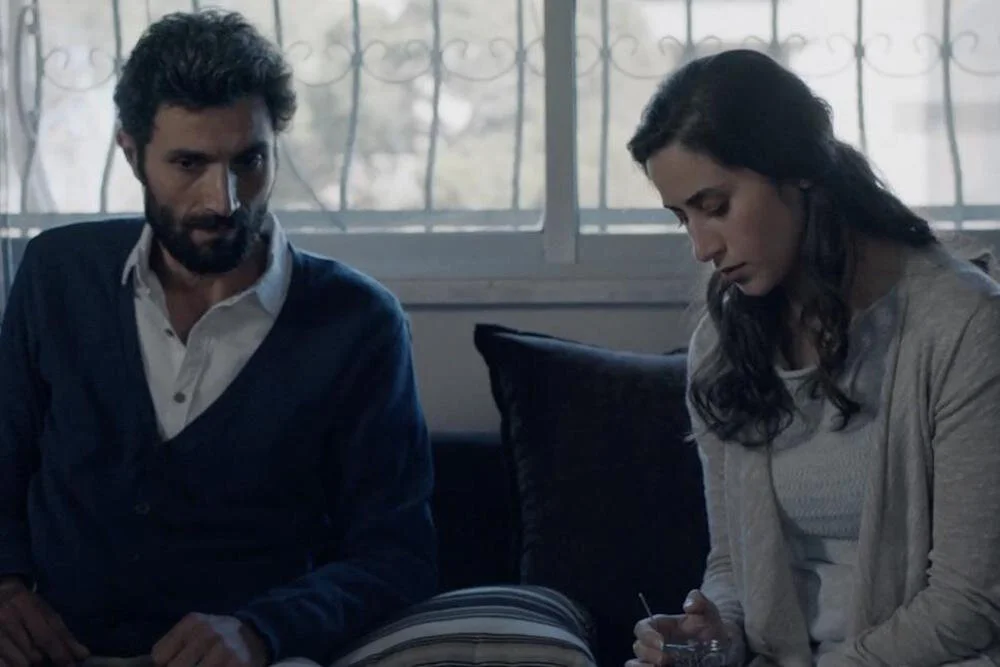
Ziad Bakri and Maria Zreik in Zain Duraie’s ‘Give Up the Ghost’
One of the hottest button issues for a modern woman concerns her ability to have a child. Depending on which society you are born into, it ranges from being a duty to a God-given right, with all shades of grey in between.
In her haunting, beautifully shot (by Benoît Chamaillard) and perfectly sound designed (by Israel Bañuelos) short film ‘Give Up the Ghost’, Jordanian filmmaker Zain Duraie explores the consequences on a marriage around the ability or inability to have a child.
Read More
Actress Lyna Khoudri in a still from 'Papicha' by Mounia Meddour
I believe that if there were more women film critics, the business of cinema would be much different. There would be better films made, more communication between what audiences want and filmmakers create, and those projects which portray the truth of our humanity would receive the attention they deserve. 'Papicha' by Mounia Meddour would be one of those projects. Now let me explain what I mean.
‘Papicha’ is now streaming as part of the Virtual Cinema of Film at Lincoln Center, through June 4th. An act of courage if you read my piece!
Read More
The discovery of Farah Nabulsi’s stunning, honest and beautiful film ‘The Present’ I owe to Palestinian favorite actor Saleh Bakri. I mean, as soon as I saw his name on the Brooklyn Film Festival line-up page, I was hooked. But while his presence is undeniably a wonderful pull into the film, Nabulsi’s perfect oeuvre stands on its own.
The title ‘The Present’ could refer to a gift, the one Yusuf, Bakri’s character goes to buy for his wife on their wedding anniversary. But it also means, to me, the current state of affairs, the here and now, for the Palestinian people.
Read More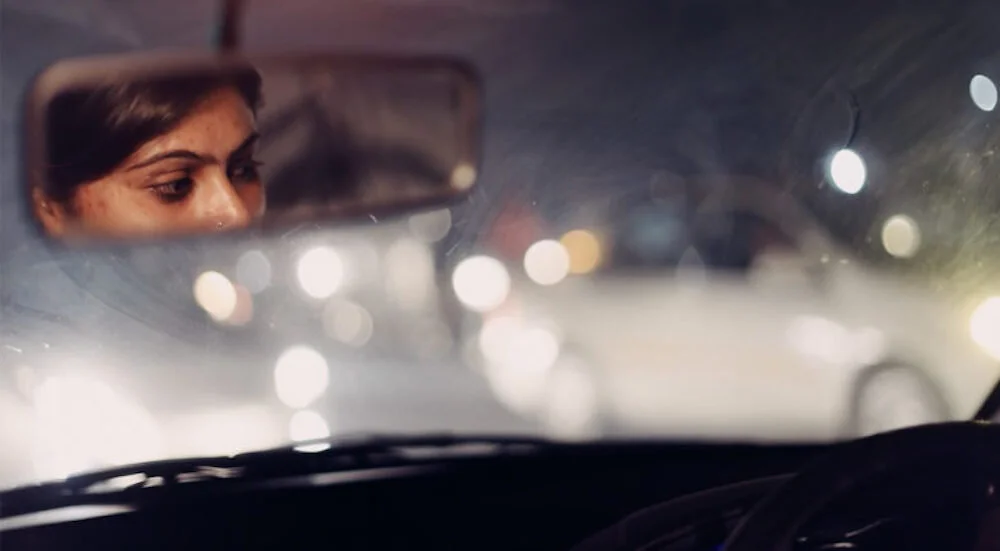
Antshi von Moos’s debut documentary short ‘Brother, Move On’ is one of those unmissable films which possesses the right appeal, even on paper. The story of a Delhi woman who drives a taxi at night, catering to an all-female clientele to make sure they get home safely, made up the perfect storm of place, leading character and premise to secure I’d yearn to watch it. That it is a real story, told with kindness and a deep understanding of the subject matter at hand, is just icing on the cake.
Read More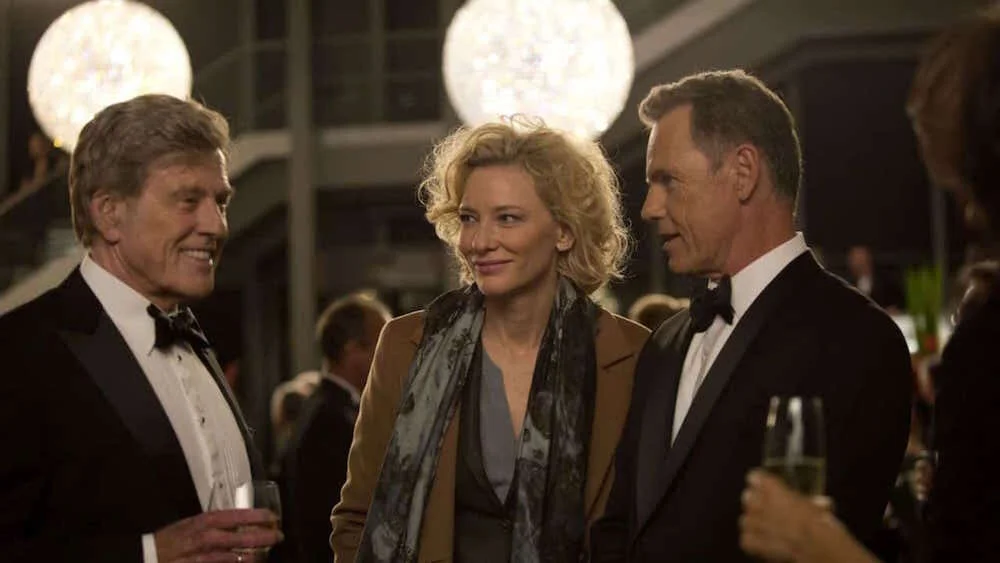
I was always a huge fan of the CBS news show 60 Minutes. To this day, there are some indelible segments that have stayed with me, like the Mike Wallace interview with tobacco industry insider Jeffrey Wigand and the Dan Rather expose on George W. Bush and how the 43rd President of the United States of America came to be in the Air National Guard during the time of the Vietnam War.
Incidentally, both those segments have been made into films and these days 60 Minutes continues to be a trailblazer in US news reporting, with an analytical twist, though perhaps today they do what they do with a bit more caution.
Read More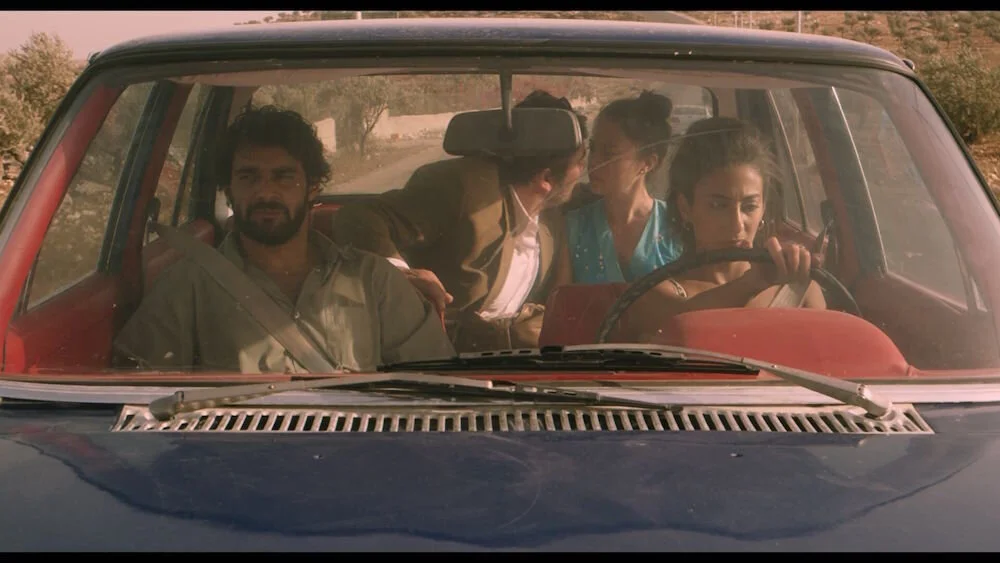
One of my favorite films in Berlin this year is not in Competition. Actually it’s not even in any of the sidebars. You’ll find Najwa Najjar’s stunning, heartwarming latest feature at the Berlinale’s European Film Market, with a screening on the 22nd of February, at 9.30 in the Simon Bolivar Saal.
Read More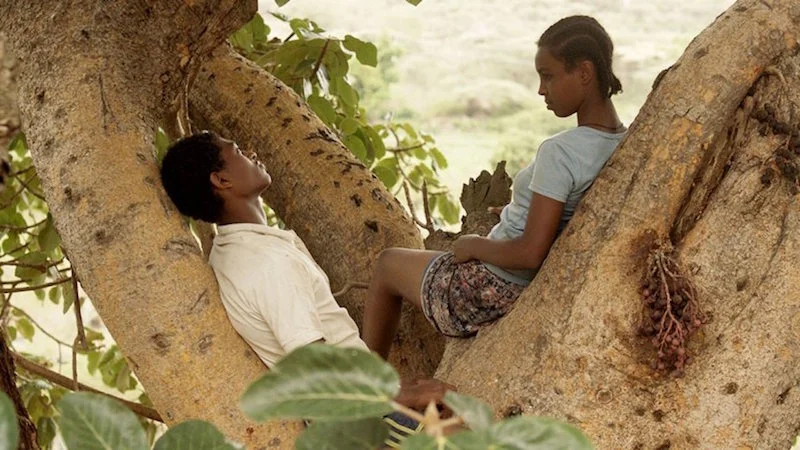
There may be a woman at the helm of Ethiopia as a country, but there is still a long road to travel for women in the Ethiopian film industry. In fact, while still plentiful considering the small number of male counterparts, —Haile Gerima is probably the best known filmmaker hailing from the country in the West — Ethiopian women filmmakers can still be only counted on the fingers of one hand. Maybe two.
Aalam-Warqe Davidian defies those odds, singlehandedly, bringing a tale inspired by her own teenage years growing up in the midst of the Ethiopian civil war. In 1989, to be more exact, is when her film ‘Fig Tree’ takes place, in a remote area of the country.
Read More
A typical present day college party. A girl. A guy. They hook up and go the man’s pink hued apartment, yes pink you read that right, to be alone together. But this is the age of #MeToo and nothing is quite the way it used to be. I mean, and just the pink lights of the man’s apartment alone should have given that away!
‘Hook Up 2.0’ screens in the “Shorts: Funhouse” program at the Tribeca Film Festival. Check out all screening times and dates here.
Read More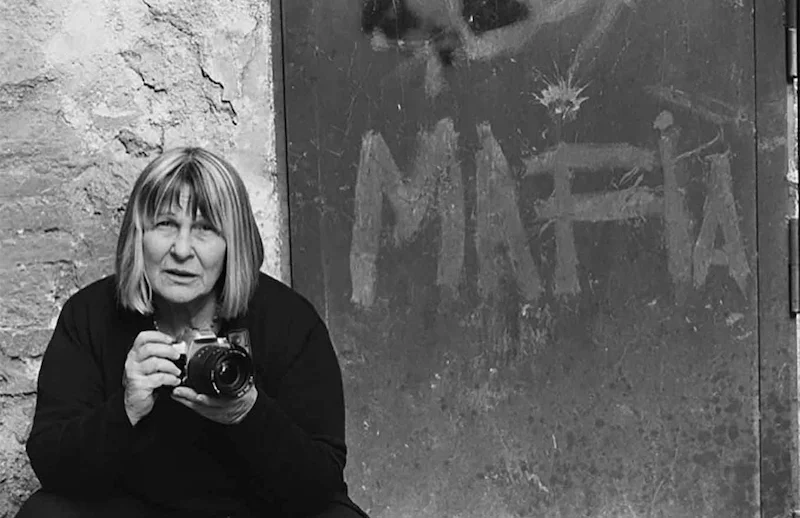
Letizia Battaglia, her last name not incidentally means “battle,” has been a one-woman army fighting that decline. Through her photographs of the Mafia and the destruction it caused in her home city of Palermo — courageous because each one could have meant her death by execution, if only for having captured the soul of the unworthy, or the wrong moment in time — Battaglia has shown the world what courage, resilience and being Italian really does mean, at its highest form.
Read More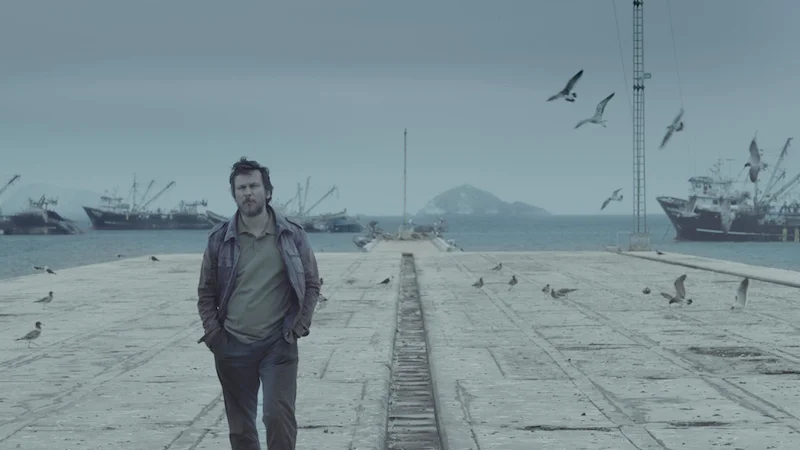
It’s a fact that there has never been such a movement of global general uprooting, in the history of our planet. Most of us feel deep inside ourselves a sense of dissatisfaction and the easiest way to deal with it seems to be to pick up and leave -- for work, love or life experience. But that can also turn into the most difficult decision of our life, because sometimes you cannot go home again.
As an old friend used to remind me, in moments when even traveling to the other end of the planet hadn’t really fulfilled its purpose, “Nina, the problem is that when you travel, no matter where you go, you’ll always take yourself along.” It’s so true, our inner struggles transfer well, hidden within the deep recesses of our beings. And even the furthest journey sees us as our sometimes unfortunate travel companion.
Miguel Angel Moulet’s haunting, sultry and perfectly shot film ‘Todos Somos Marineros’ (‘We Are All Sailors’) tackles that idea, but also mixes in several other themes, including the rhythm of language and how we change depending on the words we speak, as well as the filmmaker’s own unresolved childhood family mysteries.
Read More
I’d read the reviews, both out of Cannes where the film premiered, and lately for its US release. A.O. Scott’s was my favorite for the NY Times, as it usually is. Then, I’d listened to friends — some admitted to breaking down after viewing the film, some pointed to the filmmaker’s problematic mishmosh of the Arab world with Iranian images.
But having missed ‘Le livre d’image’ (‘The Image Book’) at the Festival de Cannes, I had to view it for myself. And, it turns out, I did well to wait.
Read More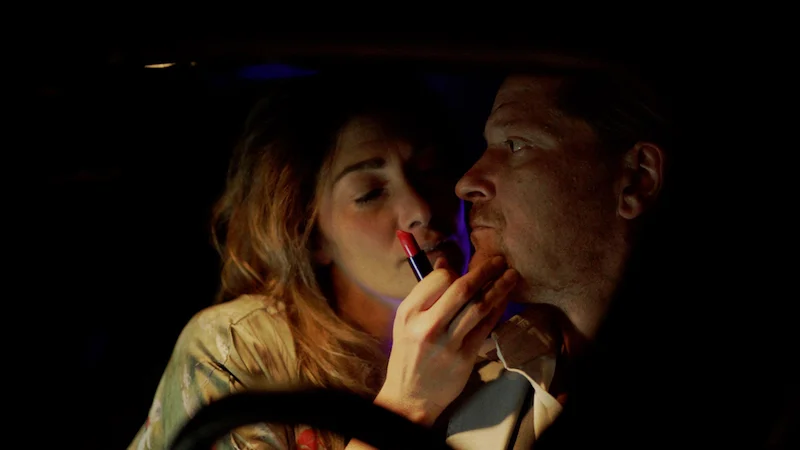
Emilia Derou Bernal and Julien Debard in a still from Anaïs Volpe’s ‘Indemnes’
How do you personally survive tragedy, when it hits close to home?
It’s a question that has played in my mind over and over in the last few months. Each of us has a distinct and very human way of dealing with personal tragedy, and none of it is wrong or right, I’ve figured out. It just is.
Filmmaker Anaïs Volpé says that her way of coping with terrorist attacks, which have hit very close to home, literally for the Parisian, is to turn blood into glitter and imagine that the victims have gone to a better place. We hear that time and time again, “they have gone to a better place now,” but in Volpé’s exquisite ‘Indemnes’ (which translates to “Unharmed”) that better place is filled with color, beauty, peace and harmony. It’s a beautiful view into the afterlife, complete with stylish golden jackets, from an artist who has had her own creative style from the get-go.
Read More
The Italian city of Trieste has always had its own particular history. From its Austro-Hungarian and Slovenian influences, to its proximity to the Croatian border, its people have enjoyed a special status. At the end of the 19th Century, Trieste had more Slovenian inhabitants than Slovenia's capital of Ljubljana and at the start of the 20th, great luminaries and intellectuals like James Joyce, Italo Svevo, Sigmund Freud, Zofka Kveder, Dragotin Kette, Ivan Cankar, Scipio Slataper, and Umberto Saba frequented the bustling cosmopolitan city.
To me, it has always been a city with a foot deeply planted in its Italian roots yet the other striding towards its Eastern European culture. A bridge city overlooking a port, filled with people of different ethnicities and speaking several languages and dialects. A utopia for the perfect world, a place where everyone truly, and mostly could get along. And have gotten along.
We have so much to learn from the city of Trieste these days.
Read More