Why is it that films like Dolores Fonzi’s wondrous directorial venture always remind us about the forgotten history, and how condemned we remain as a human race to repeat our mistakes in the future if we don’t come to terms with our past?
Now there’s the question.
While Belén is undoubtedly and first of all a film to be watched, enjoyed and savored, the great thing about this year’s Argentinian Oscar submission is its message. As those of us from the US come to terms — or maybe not, as we’ve all turned dumber in the age of AI and social media — with the 2022 reversal of Roe v. Wade, nearly 50 years after the historic decision granted American women the right to choose whether they were fit to be mothers or not, this film hit a nerve. More like punched me in the gut, actually. No pun intended… but read on to find out why.
It turns out that in Argentina, all the while since Roe v. Wade had made abortion legal in the US, our South American sisters were still being persecuted and prosecuted for illegal abortions — the only kind available to victims of rape, or those coming to term with an unwanted pregnancy. “Belén” is one such woman — a fictitious name for a very real person who existed and helped the system right its wrongs.
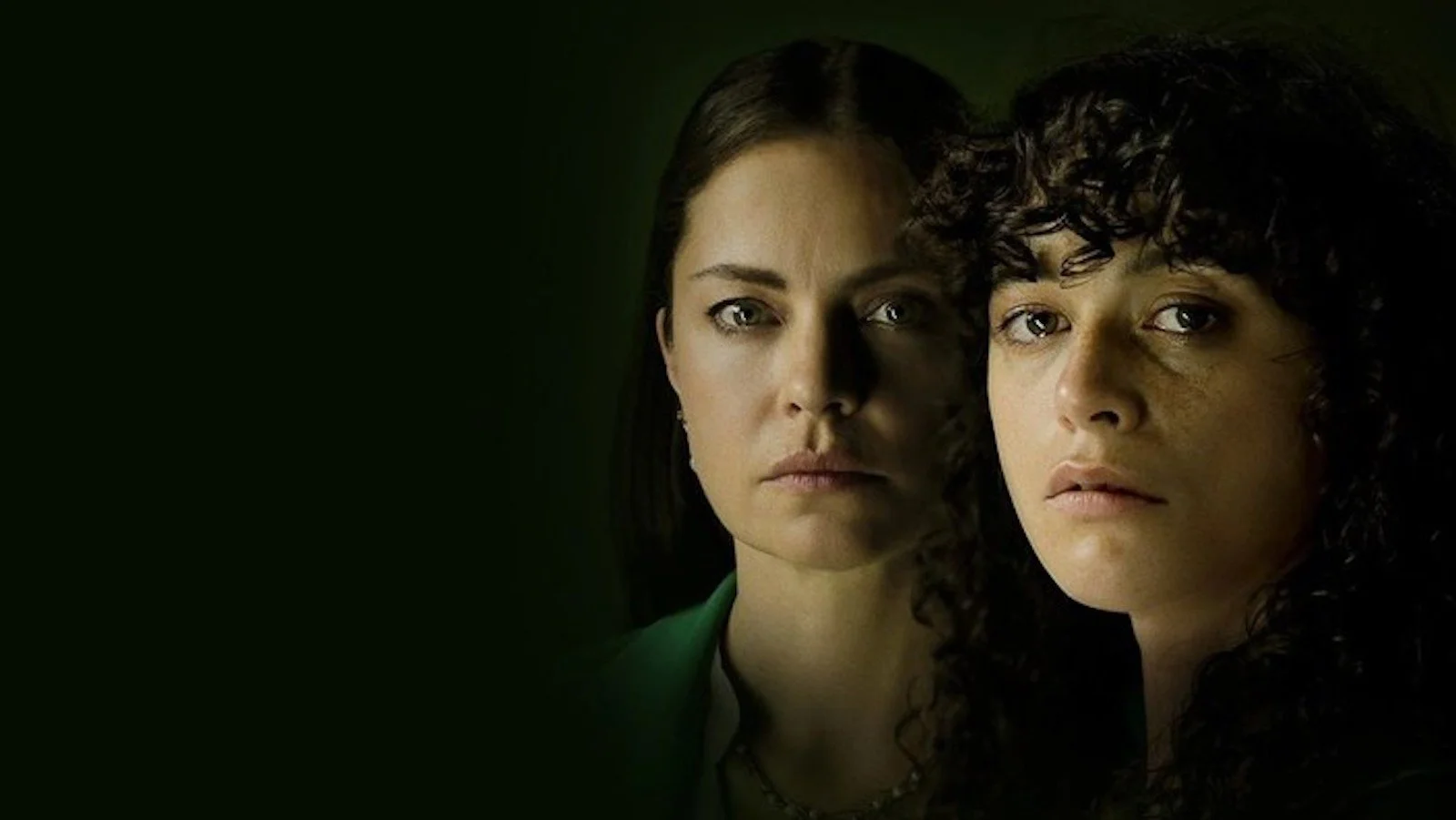
When we first meet Julieta (played by Camila Plaate) as she is called in the film, she isn’t even aware she is pregnant. The quiet, thoughtful and curly haired young woman is rushed to the hospital by her mom with abdominal pain. Her ordeal soon becomes the stuff of nightmares, when she is accused of trying to abort her fetus in the bathroom of the hospital. But — spoiler alert! — which bathroom and what fetus remain unclear.
As Julieta awakes from a medical procedure to stop the bleeding and the excruciating pain she is in, she finds herself surrounded by police officers who want to push their own, criminal diagnosis and doctors who want to police her body. It’s a harrowing scene, at the start of a cinematic journey that is absolutely terrifying for all women. And the men who love them.
But beyond the harrowing first scenes, there lies a travesty of injustice, the kind of event we will find ourselves more and more face to face with in the US. And around the world, as fundamentalist religious ideals are pushed by political figures in search of fame and power. Julieta is put in jail, without a trial at first and then, after the two years she is allowed to be imprisoned without a trial expire, with a six-year verdict, following a mock trial where she is represented by a joke of a public defender.
But no film is complete without a second act and in walks Soledad Deza, played by the film’s director and popular actress Dolores Fonzi, to right the wrongs and lighten the story. She comes armed with a determined gaze and tightly wound personality, a woman we can all identify with, at some stage of our lives, as her right hand shakes whenever she is too stressed out by what is happening around her.
Few films I’ve watched lately have hit me in quite the same way as Belén, perhaps because I could see myself in almost every woman character featured in the film, and I could feel, deeply, the pain of the wrongs perpetuated against them simply because of their gender. There are moments in our lives when everyone and everything seems to be conspiring against us and perhaps, this moment in time felt absolutely right for the film, to yours truly.
There is also an extra layer added to this, with it being a true story — the tale of a woman known only as “Belén” who changed the course of history in Argentina. Because in December of 2020, Argentina legalized elective abortion up to 14 weeks of gestation, just a year and a half before the US Supreme Court overturned Roe v. Wade in June of 2022. When one place steps into the welcomed future, there is always another land ready to fall back into the Middle Ages, it seems.
At this year’s San Sebastián Film Festival, Belén deservedly won the Silver Seashell for Best Supporting Performance for Camila Plaate, who pulls a harrowing and touching performance, and in the film she is joined by a cast of extraordinary women, not least of them Laura Paredes, as Deza’s legal partner — at times funny, other times so brutally honest we wonder where she gets her chutzpah from.
The film is being distributed by Amazon MGM Studios, and before streaming, it will be hitting a screen near you, so watch out for it. It does require, in my humble opinion, the full scale of a theater, as well as some human interaction following the screening.
Belén is being released on a limited basis on November 7th in the US and UK, so no better time than the present!
Images courtesy of Amazon MGM Studios, used with permission.