
There are films which devour you at first watch and this Juliette Binoche starrer is one of those works of the 7th art, one which grabs hold of you right away and never really lets go.
“I’m watching next year’s Oscar nominated masterpiece!” I kept repeating to myself, like a mantra playing in my head during the sultry quietness of Queen at Sea, which presents an all-too-common sad story told in unexpected shades of nuances and beauty. The depiction of dementia in some in our twilight years is hardly the stuff of cinematic dreams in less able hands, but thoughtful American filmmaker Lance Hammer makes something formidable out of it — at once heart wrenching but also completely comprehensible and personal.
When Amanda, played with extraordinary dressed-down restraint by Juliette Binoche, walks in on her mother Leslie (Anna Calder-Marshall) and stepfather Martin (Tom Courtenay) having sex, she calls the police. It’s a knee-jerk reaction from a caring daughter who hasn’t thought through the consequences of her actions. As a daughter to an elderly mom myself, albeit one possessing all her mental senses, it’s a move I immediately understood, but also could feel myself disapproving of at the same time. It is in that moment, that instance of ambiguity that Queen at Sea establishes itself as a brilliant, thoughtful masterpiece.
Amanda has a moral issue with Martin and Leslie doing “it” because she believes her mom isn’t aware enough to make her own decisions and therefore, what is happening between husband and wife, something so natural in our prime, is no longer “consensual sex.” In a world upended by the MeToo movement and the recent release of the Epstein files, the definition of what constitutes consensual sex has come under scrutiny and, in Amanda’s case, she believes she is doing the right thing. She cares deeply for her mom, and she’s sacrificed a lot, we begin to learn as the film unfolds.
But the intrusion of one body into the home of a senior, and a senior with dementia to boot, means throwing the routine they crave into a slow and ever increasing chaos. And so, with the arrival of the two initial police officers, then social services, then Leslie’s removal from the home once Martin’s removal seems undoable, her encounter in the care facility, and finally the addition of a part time home carer for Leslie’s every day needs, begins a cycle of upheaval which brings about the climax of the film. One so unexpected and powerfully quick that I gasped out loud when it happened, without giving any spoilers away.
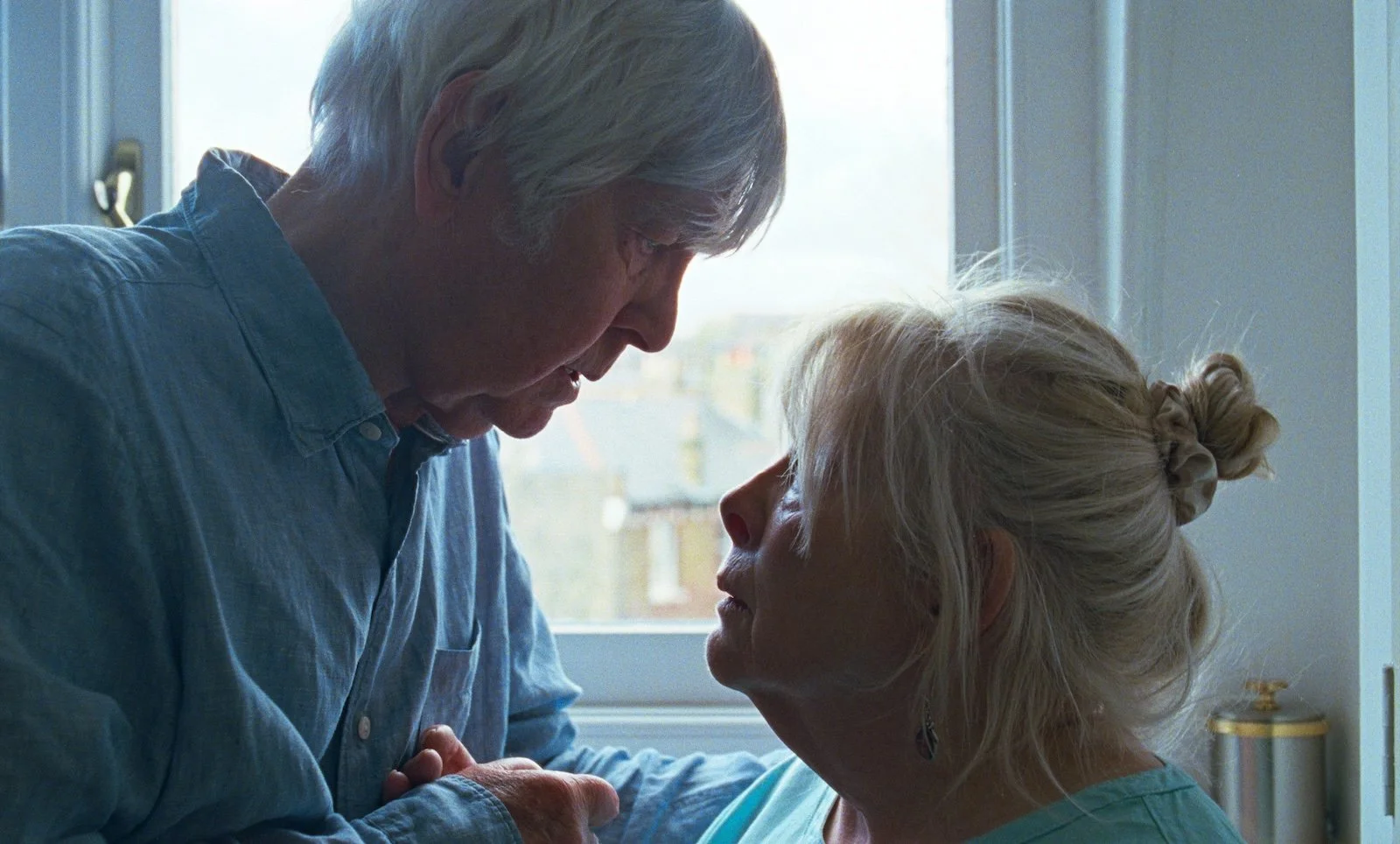
Martin is also a kind of king lost at sea, stoic and caring but also in need of attention himself. It’s no wonder when his wife initiates intimacy, he welcomes it. Is that unethical or a proper way to care for Leslie? That’s the question the film will ask you to answer for yourself.
What makes a film phenomenal to me is when a great written idea — in this case also the work of Hammer, who produced and edited the film as well — turns into something totally cinematic right before our very eyes. Unlike the work of Michael Haneke — this film reminded me on paper of the multi-award winning Amour by the Austrian filmmaker — Hammer’s film develops a language which works perfectly for the big screen. To explain my ideas a bit more clearly, if I wish to read something wonderful I’ll buy a book; for me a film needs to possess something more, an additional dimension which takes me into its world, colors, ambients and all. I need to come out of those two hours spent in the company of its characters changed and still wrapped in the atmosphere it created. And Hammer’s Queen at Sea does all that, going above and beyond what I love, and crave so much in cinema.
The use of space and light is also fascinating, as the staircases of the house that Martin and Leslie share add a sense of the ridiculous, almost becoming a trope as the two seniors tread them up and down, before someone mentions the danger they pose to an elderly couple, let alone a woman who looks lost and childlike almost 90 percent of the time. Cinematography by Adolpho Veloso, as well as production and costume design by Soraya Gilanni Viljoen and Saffron Cullane respectively are standouts too, able to make the filmmaker’s vision come alive before our eyes.
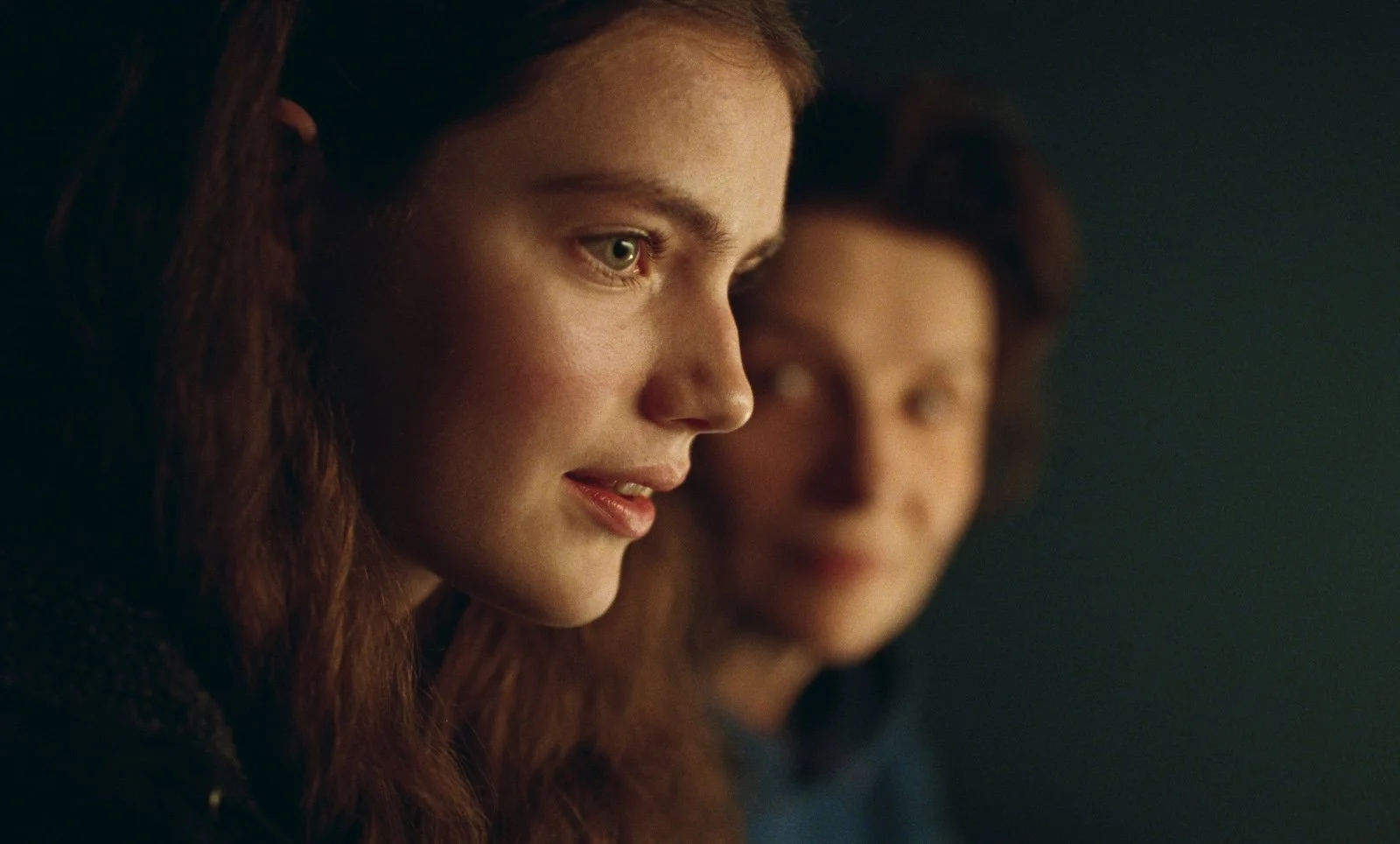
Another layer of brilliance from the American filmmaker and writer comes in the form of the youngest cast member, Screen International 2024 Star of Tomorrow Florence Hunt, who plays Amanda’s daughter Sara. While adding a proverbial breath of fresh air through her side romance with a boy she meets in school, Sara also provides a person her mom can speak to, avoiding the need for explanations or what I call “show and tell” in the story. And just how talented a screenwriter Hammer is comes out early on in the film, when Amanda talks on the phone, in a parked car, with her estranged husband (and Sara’s father) about her situation. She breaks down while explaining her actions and meanwhile, we get it all completely. Without noticing that a voice on the other end of the phone, a person we never even get to see or know, has provided a great plot device to move onto the next part of the film.
Honestly, I personally expect to see this film sweep awards night come Saturday evening at the Berlinale. I also can’t stop telling people I’ve watched the first nominee for multiple prizes come awards season 2026/27. At the end of the film, I grasped a reality I never fully, consciously put into words: that one broken wheel in a family causes endless destruction and the avalanche of an illness like dementia can be felt for generations to come.
Images courtesy of © Seafaring LLC, used with permission