From Cinecittà to the BFI Southbank, Italian cinema is making an extraordinary return, with several titles directed by Italian filmmakers slated for UK distribution later this spring. And this time around, it seems to be all about freedom…
From March 4th to the 8th, the BFI Southbank will be home to a slew of wondrous films from my homeland. From remastered classics, like the digitally restored 1959 title The Facts of Murder (Un Maledetto Imbroglio), directed by Pietro Germi and starring the late, great Claudia Cardinale, to contemporary gems like Fuori by Mario Martone, starring Valeria Golino, who is also featured in another three titles in this year’s line up, the Italians are coming, and coming in strong!
That said, there are no favorites really for me, they all belong on the silver screen and occupy a special place inside my heart, but I’ve highlighted three film which, for one reason only, have appealed to me as a modern woman.
In her song ‘Me and Bobby McGee’ Janis Joplin sang “Freedom is just another word for nothin' left to lose,” and this year, three titles featured at Cinema Made in Italy showcase women’s freedom, at any cost. This is freedom the way Joplin saw it, once everything you know and love is stripped from you and you are truly free — away from everything you have held dear and which, it turns out, might have dragged you down. It’s such a powerful concept that I found myself sobbing at the end of one of the films, and it’s not the one you may think…
So are my fave titles from this year’s Cinema Made in Italy, and you’ll also be able to watch Primavera, the opening night film, at your local Curzon cinema, when the exhibitor/distributor will release the title in late April of this year.
Fuori by Mario Martone
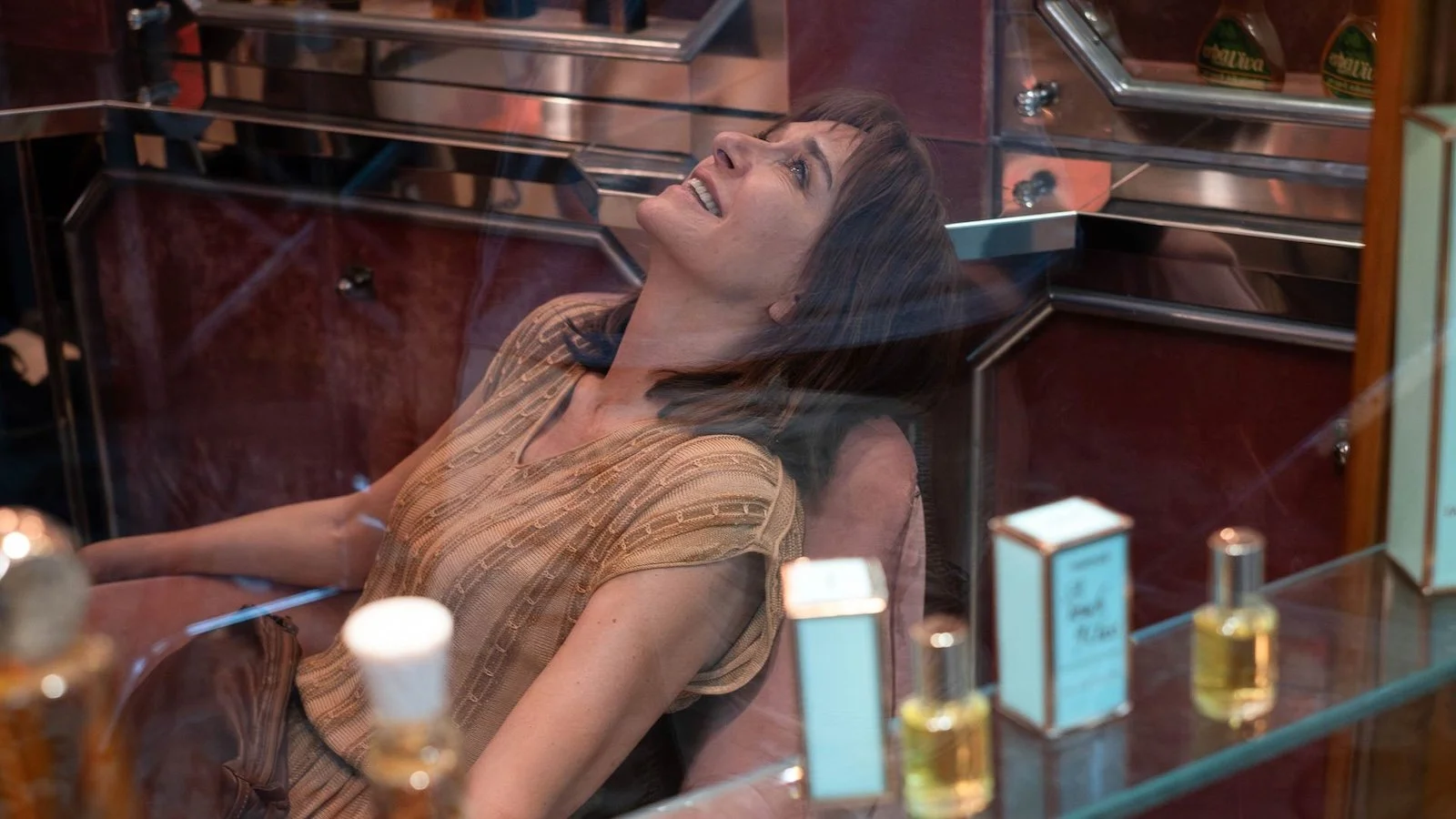
Valeria Golino in ‘Fuori’ by Mario Martone
Valeria Golino may be the hottest Italian actress around, and one most in demand. Within this year’s Cinema Made in Italy line up alone she is featured in four films. In one of them, the award-winning actress plays the lead in Martone’s literary biopic Fuori, about noted Italian feminist writer and political activist Goliarda Sapienza (author of The Art of Joy and played with extraordinary candor by Valeria Golino). The film screened in competition at last year’s Cannes International Film Festival.
Sapienza, now considered one of the most influential Italian writers of the 20th century, was born in Sicily, the daughter of leftist intellectuals. Her mom had been a journalist and her dad a lawyer, who helped pen the Italian constitution. Sapienza herself lived an unconventional life, one which included sleeping with both men and women, marrying a man more than 20 years her junior and stealing a friend’s jewels. The latter landed her in jail in the early 80s in Rome, and she spent a few nights at the infamous Rebibbia, which is when Martone’s story begins.
Martone was aided by his cinematic partner, wife Ippolita Di Majo in writing the extraordinary script and the balance between the masculine and feminine forces at play in the story are perfectly told as a result.
While in jail, Sapienza meets two inmates who will eventually change her life and show her that freedom is not a feeling that requires a woman to be “fuori” or “outside” in Italian. You can be more free within the four walls of a jail if you are just true to yourself. The film is a wondrous cinematic work and Golino clearly plays the role she was born to play! In fact, she loved Sapienza so much she directed the TV series based on her book The Art of Joy, which was only published after the writer’s death.
Primavera by Damiano Michieletto
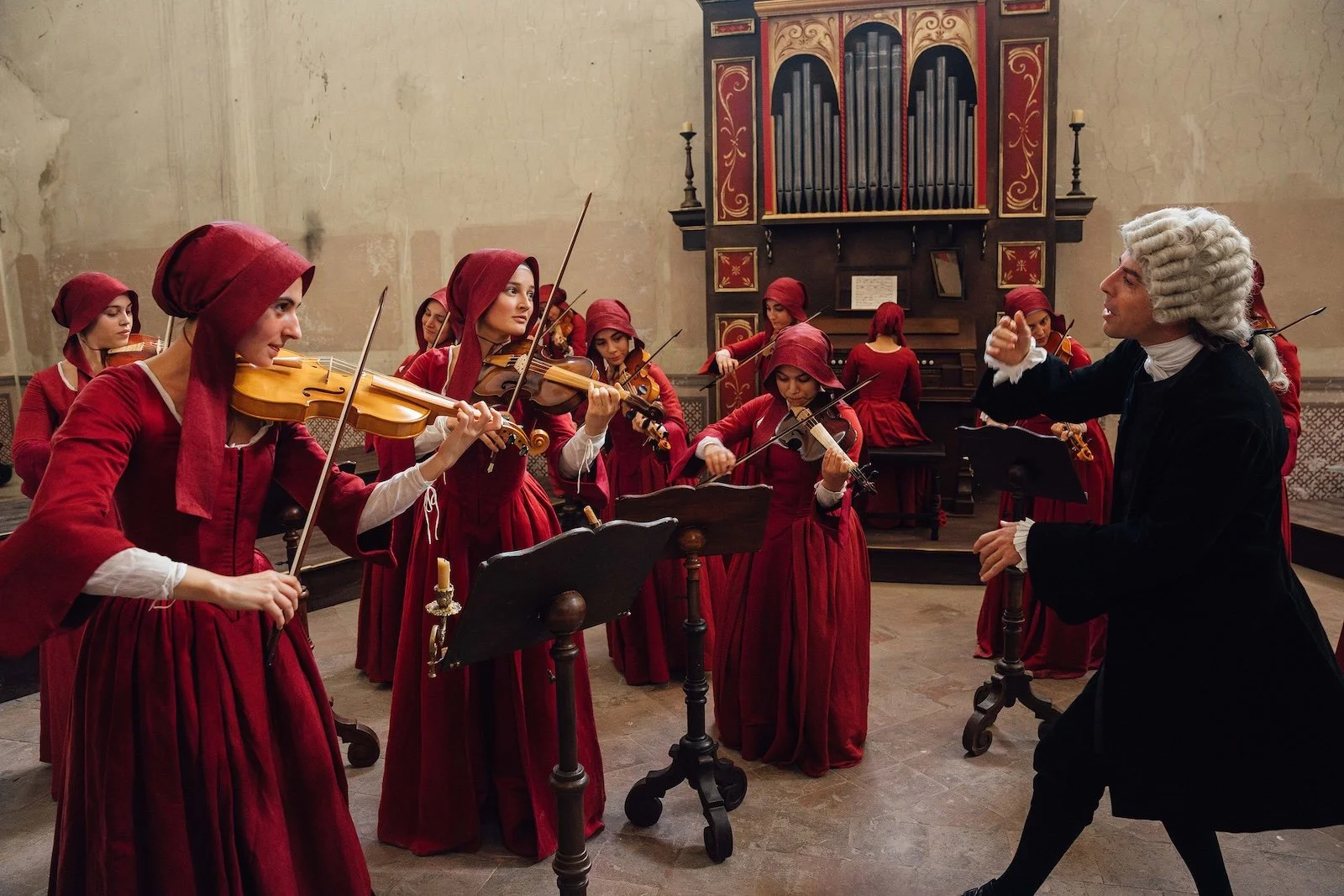
The opening night film at this year’s CMII is Primavera, directed by the renowned opera and theater director Damiano Michieletto and stars Michele Riondino, who was recently seen in Billie August’s mini-series adaptation of The Count of Monte Cristo. It also features a new face to watch, Tecla Insolia, who has been selected as one of the ten emerging acting talents for European Shooting Stars 2026. Drawing on the real life of Antonio Vivaldi, the film had its world premiere at the 50th Toronto International Film Festival and will be distributed in the UK by Curzon Film, with a release on 24 April 2026. The screenplay was co-written with Ludovica Rampoldi, one of Italy’s leading screenwriters, known for The Traitor and Gomorrah.
The film takes place in the early 18th century, inside the Ospedale della Pietà, the biggest orphanage in Venice. There, young women play instruments in a hidden from view orchestra that the noble classes go to listen to on Sundays. But when the attendances at the church go down due to a rivaling establishment putting on a better show, so to speak, Antonio Vivaldi is brought in to restore the balance. With his own problematic background, Vivaldi was a priest who could not practice mass due to his poor health (in modern days he’d be diagnosed as being asthmatic), and coming head to head with the headstrong and highly talented Cecilia (Insolia), the film quickly turns into a spellbinding watch. And again, one dealing with the theme of freedom at any cost, this time for a young woman who feels abandoned by her mom and continues to suffer at the hands of men who think they know what is best for her.
Notably, the London premiere of Primavera coincides with Vivaldi’s birthday, who was born on 4 March 1678. How wonderful is that!
Tre ciotole (‘Three Goodbyes’) by Isabel Coixet
Last but not least is Coixet’s film Three Goodbyes (although the Italian title translates literally to “three bowls”). The Catalan auteur makes the best move of all, by bringing us Italian-German actress Alba Rohrwacher in the role she was born to play! Talk about a phenomenal actress, Rohrwacher is one of those women who are also unimaginably kind. Last year, at a special screening of Pablo Larraín’s Maria, the film in which she played Callas’ housekeeper in Paris, Rohrwacher came up to me and said “hello, how are you?” in Italian, then hugged me, as if she remembered me from the two times I’ve met her, and interviewed her before. Honestly, that kind of elegance is rare and I’ll never forget how Alba made me feel.
But onto the great film. In Three Goodbyes, a film based on the autobiographical novel by the same name by Michela Murgia, Rohrwacher plays Marta, a young woman who is unconventional and iconoclastic. So much so that in the opening scene, her boyfriend Antonio (Elio Germano) tells her he can no longer bear to live with her. She doesn’t play the game, like at an art opening they just attended she didn’t eat the canapés and didn’t partake in the usual party conversation, and he simply cannot stand her anymore. Marta, a PE teacher at a lyceum in Rome, is at first understandably devastated, and then begins to exhibit some psychosomatic symptoms, which as a viewer, I imagined to be break-up related. Or to do with her impossible diet of cold vegan hotdogs and crackers and mayonnaise. Alas, when Marta finally visits a doctor (Sarita Choudhury, in a golden cameo which shows everything this beloved actress is able to bring to a role, and acting in Italian at that!) her sister recommends, she gets the kind of diagnosis none of us wish to hear — it’s the big “C”. And she may or may not be able to beat it.
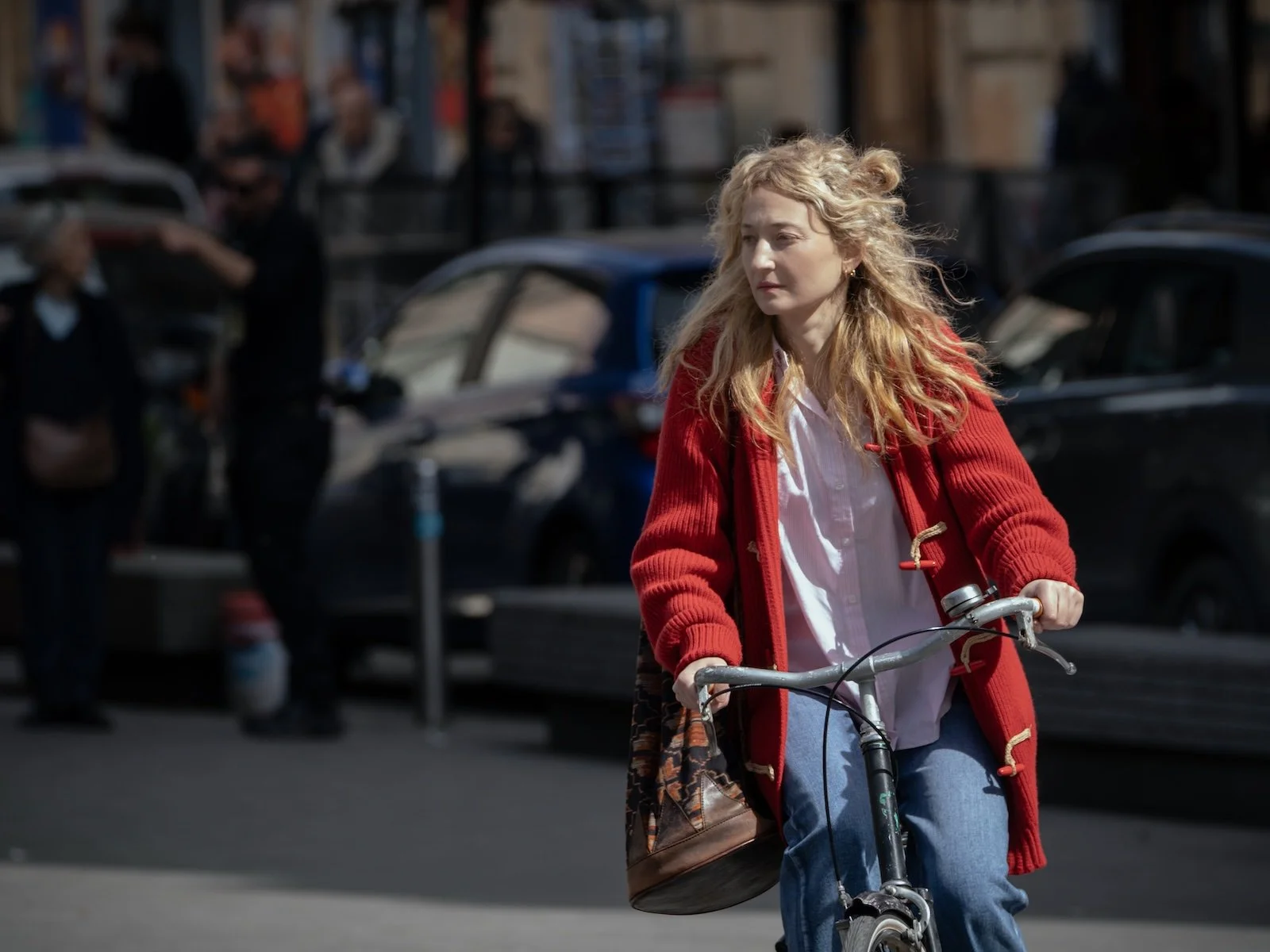
From there, Marta’s road to freedom begins, even if it may come at the cost of all she holds dear. Aided by a cardboard cutout of a K-pop heartthrob she finds in the garbage one night, she changes her diet, changes her outlooks and begins a journey of self-discovery, which is poetic and perfectly lacking self-pity. It is within this script by Coixet along with Enrico Audenino that we discover what it means to be free, truly free as a woman in this world. Devoid of everything that attaches us, without value, to something and someone else. In the midst of all this, a co-worker Agostino (Spanish actor Francesco Carril sporting a Florentine accent) walks into Marta’s life and holds the key to her happiness. Needless to say, I cried salty tears at the end of this film, but don’t expect a traditional ending from an extraordinary work of art. One which benefits from its helmer’s world vision and the costumes of Massimo Cantini Parrini, who dresses Marta as a true Roman hippie, and makes it possible for her to ride her bike like “Elliot in E.T.” as Agostino tells her.
Cinema Made in Italy runs from March 4-8, 2026, at the BFI Southbank in London. For all info and tickets, check out the website here.
All images courtesy of CMII, used with permission.